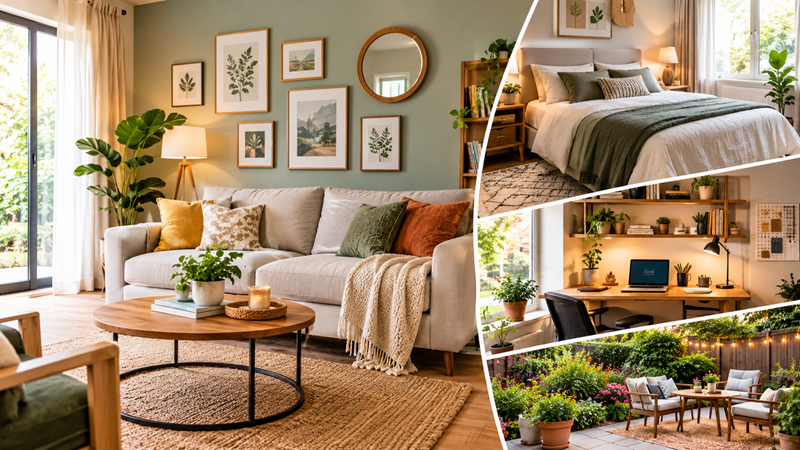
A beautiful home does not always require expensive furniture, costly renovations, or professional interior designers. With thoughtful planning, creative ideas, and a few simple changes, you can transform any living space into a comfortable and attractive environment. Whether you live in a small apartment, a rented house, or a spacious family home, the right decorating choices can make a significant difference.
Decorating is about more than appearance. It also involves creating a space that reflects your personality, supports your daily routine, and provides comfort for everyone who lives there. From choosing suitable colors to arranging furniture and improving outdoor areas, every detail contributes to the overall atmosphere of your home.
In this comprehensive guide, we explore practical tips decoradyard readers can use to improve their interiors, organize their rooms, enhance their gardens, and create inviting spaces without exceeding their budgets. These ideas are suitable for beginners as well as homeowners who want to refresh their existing décor.
1. Start with a Clear Decorating Plan
Before purchasing furniture or changing your home’s appearance, take time to understand your needs. A decorating plan helps you avoid unnecessary spending and ensures that each decision supports your overall vision.
Begin by examining every room. Identify what you like, what needs improvement, and which items you can continue using. Perhaps your living room needs better lighting, your bedroom feels crowded, or your garden lacks comfortable seating.
Write down your priorities and divide them into manageable projects. For example, you might begin with decluttering, move on to painting, and finish by adding accessories.
Set a realistic budget before shopping. Include essential expenses such as paint, furniture, lighting, storage solutions, and decorative items. Keep a small amount available for unexpected costs.
Planning also helps you maintain a consistent style throughout your home.
2. Choose Colors That Improve Your Space
Color influences the mood, appearance, and perceived size of a room. Therefore, selecting the right palette is one of the most important steps in decorating.
Light shades such as white, cream, soft gray, and pale beige can make smaller rooms feel brighter and more spacious. These colors work particularly well in apartments, narrow hallways, and rooms with limited natural light.
Meanwhile, deeper colors such as navy blue, forest green, and warm brown can introduce character and sophistication.
A simple approach is to choose three coordinating colors:
- A primary color for walls and larger surfaces.
- A secondary color for furniture, curtains, or rugs.
- An accent color for cushions, artwork, and smaller accessories.
Consider the amount of natural light each room receives. A color that looks warm in a sunny room may appear cooler in a darker space. Before painting an entire wall, test a small area and observe it at different times of the day.
You should also consider your existing furniture. Coordinating your new colors with items you already own can save money while maintaining a polished look.
3. Arrange Furniture for Comfort and Functionality
Start by identifying the room’s main purpose. A living room may be designed for conversation and entertainment, while a bedroom should support relaxation. Arrange the furniture around these activities.
In living rooms, position seating so people can communicate comfortably. A sofa and two chairs facing one another often create a welcoming arrangement. If you have a television, place it where viewers can watch without straining their necks.
Keep clear walking paths between doors, seating areas, and frequently used furniture. Avoid overcrowding rooms with unnecessary tables, chairs, and cabinets.
For smaller spaces, consider multifunctional furniture. Storage ottomans, sofa beds, folding tables, and beds with built-in drawers can help you maximize available space.
Remember that furniture does not always need to sit directly against the walls. Moving a sofa slightly away from a wall or positioning a chair beside a window can create a more balanced arrangement.
These practical tips decoradyard can help you make rooms feel more spacious, functional, and visually appealing without buying an entirely new furniture set.
4. Improve Lighting in Every Room
Good lighting makes a home feel welcoming and helps highlight its best features. Instead of depending on a single ceiling light, combine different types of lighting to create a comfortable atmosphere.
Natural light should be your first priority. Open curtains during the day, keep windows clean, and avoid placing bulky furniture where it blocks sunlight.
For artificial lighting, consider three main types:
Ambient lighting: This provides general illumination through ceiling lights, chandeliers, or recessed fixtures.
Task lighting: This supports specific activities, such as reading, cooking, studying, or working. Desk lamps and under-cabinet kitchen lights are useful examples.
Accent lighting: This highlights decorative features, artwork, plants, or architectural details.
Warm-white bulbs often create a relaxing atmosphere in bedrooms and living rooms. Brighter neutral lighting can be helpful in kitchens, bathrooms, and work areas.
Mirrors can also improve the feeling of brightness by reflecting available light. Place a mirror opposite or near a window when the arrangement allows.
Choose lighting fixtures that suit the room’s size and style. A large chandelier may overwhelm a compact bedroom, while a small lamp may not adequately illuminate a large living area.
5. Decorate Walls with Personality
Empty walls can make a room feel unfinished, but filling every available space with decorations can create visual clutter. The goal is to find a balanced arrangement that reflects your interests.
Artwork, framed photographs, decorative mirrors, wall shelves, and textured wall hangings are popular options. Choose pieces that complement your furniture and color scheme.
A gallery wall can make a strong visual statement. Combine photographs, illustrations, and prints using similar colors or frame styles. Before hanging anything, arrange the pieces on the floor to test the composition.
If you prefer a minimalist look, select one large artwork or a simple decorative mirror instead of displaying many small items.
You can also use removable wallpaper or paint to create an accent wall. These options introduce visual interest without requiring a complete room makeover.
When decorating rented properties, check the relevant rules before making permanent changes. Adhesive hooks, removable wall coverings, and freestanding décor can provide flexibility.
6. Add Indoor Plants and Natural Materials
Plants bring color, texture, and a natural feeling to indoor spaces. They can soften the appearance of furniture and make rooms feel more inviting.
Choose plants according to your available light, room temperature, and maintenance preferences. Snake plants and pothos are common options for people seeking relatively easy-care houseplants. However, check the specific needs of each plant before purchasing it.
Place plants on windowsills, shelves, side tables, or suitable floor stands. Larger plants can fill empty corners, while small pots work well on desks and kitchen counters.
If you have limited time for plant care, consider dried flowers or high-quality artificial plants. These alternatives can provide decorative interest without regular watering.
Natural materials also contribute to a comfortable atmosphere. Wooden furniture, woven baskets, cotton curtains, linen cushions, and jute rugs introduce texture and warmth.
Mixing different materials can create depth, but maintain a consistent color palette to avoid making the room feel busy.
7. Refresh Your Home on a Budget
A stylish home does not depend on how much money you spend. In many cases, inexpensive improvements can produce impressive results.
Start by rearranging the furniture and removing items that no longer serve a purpose. Decluttering often makes a room look cleaner immediately.
Next, focus on affordable updates. Replace worn cushion covers, introduce a new lampshade, repaint an old side table, or display a few carefully selected accessories.
Secondhand shops, local markets, online marketplaces, and seasonal sales can provide affordable furniture and decorations. Always inspect used items for damage, cleanliness, and durability before buying them.
You can also repurpose existing belongings. An old wooden ladder might become a decorative plant stand, while attractive jars can serve as storage containers.
Avoid purchasing accessories simply because they are inexpensive. Too many small items can make a room appear crowded. Instead, invest in a few useful pieces that complement your existing décor.
Following budget-conscious tips decoradyard helps you prioritize meaningful improvements and avoid spending money on trends that may quickly lose their appeal.
8. Organize Small Spaces More Effectively
Small rooms require careful organization because clutter can quickly reduce their functionality. Fortunately, smart storage solutions can help you make better use of every available area.
Use vertical space by installing shelves, wall-mounted organizers, or tall storage units. This approach keeps frequently used items accessible while leaving more floor space available.
Choose furniture that serves multiple purposes. A storage bench can provide seating and hold household essentials. A bed with drawers can reduce the need for additional cabinets.
Use baskets, boxes, and drawer dividers to group similar belongings. Labeling storage containers can also make everyday items easier to find.
Keep countertops and tables relatively clear. Store rarely used appliances and accessories in designated spaces instead of leaving them on display.
Mirrors, light-colored walls, and appropriately sized furniture can also make small rooms appear more open.
Most importantly, measure your available space before purchasing furniture. A beautiful item will not improve your room if it blocks doorways or makes movement difficult.
9. Transform Your Garden and Outdoor Living Area
Your outdoor space deserves the same attention as your interior. Whether you have a large garden, a small courtyard, a balcony, or a modest patio, thoughtful design can make it more enjoyable.
Begin by cleaning the area and removing broken pots, unwanted items, and unnecessary clutter. Trim overgrown plants and identify places where seating or greenery would be most useful.
Choose plants that suit your local climate, available sunlight, and soil conditions. Native plants and other locally adapted varieties can be practical choices because they may require less maintenance once established.
For a small balcony, use containers, railing planters where permitted, or vertical plant stands. These solutions allow you to enjoy greenery without taking up too much floor space.
Comfortable outdoor seating can turn a patio into a relaxing retreat. Add weather-resistant cushions, a compact table, or a suitable outdoor rug to create a more finished appearance.
Lighting also makes a difference. Solar-powered garden lights, outdoor lanterns, and appropriate string lights can improve the atmosphere after sunset. Choose products rated for outdoor use and install electrical equipment safely.
If your budget is limited, improve one area at a time. Start with cleaning and planting, then add seating and decorative features as resources allow.
10. Create a Relaxing and Comfortable Bedroom
Your bedroom should support rest and provide a peaceful environment. You can improve its atmosphere through simple changes that focus on comfort, organization, and visual balance.
Begin with bedding. Clean sheets, coordinated pillowcases, and a comfortable duvet can make the bed look inviting. Choose fabrics that suit your climate and personal preferences.
Keep bedside tables organized and use soft lighting for a relaxing evening atmosphere. A bedside lamp is often more comfortable than a bright overhead light when preparing for sleep.
Select curtains that provide the level of privacy and light control you need. Blackout curtains may be useful for people who prefer a darker sleeping environment.
Avoid filling the bedroom with unnecessary furniture. Keep essential items accessible and provide enough room to move comfortably.
Personal touches, such as family photographs, artwork, or a favorite decorative object, can make the room feel individual without creating clutter.
11. Maintain a Clean and Balanced Home
Even the most carefully decorated room can lose its appeal when it becomes cluttered or poorly maintained. Regular cleaning and organization help preserve your home’s appearance.
Create a simple routine that includes dusting surfaces, vacuuming or sweeping floors, cleaning mirrors, and organizing frequently used areas.
Clean decorative objects regularly, especially those placed on open shelves. Wash cushion covers and curtains according to their care instructions.
Review your belongings periodically. Donate or responsibly dispose of items you no longer need, and return misplaced objects to their proper storage areas.
Pay attention to small repairs. Loose handles, damaged paint, leaking taps, and broken fixtures can affect both appearance and functionality.
Seasonal updates can also keep your home feeling fresh. Lightweight fabrics may suit warmer months, while textured throws and warmer colors can create a comfortable atmosphere during colder weather.
Consistency matters more than perfection. A simple maintenance routine is easier to follow than occasional, exhausting cleaning sessions.
12. Avoid Common Home Decorating Mistakes
When decorating, a few common mistakes can make even a well-planned room feel uncomfortable.
First, avoid buying furniture without measuring your space. Always check dimensions and consider how people will move around the room.
Second, do not mix too many unrelated colors, patterns, and materials. A coordinated palette creates a more organized appearance.
Third, avoid relying on a single light source. Layered lighting makes spaces more adaptable and comfortable.
Fourth, do not display every decorative object you own. Select meaningful pieces and leave some empty space so important features can stand out.
Finally, avoid copying a trend without considering your own needs. A design that looks attractive in a photograph may not work for your family’s lifestyle, climate, or budget.
The best decorating decisions balance appearance, practicality, comfort, and personal taste.
Conclusion
Creating a beautiful home is an ongoing process that begins with understanding your needs and making thoughtful improvements. From choosing suitable colors and arranging furniture to improving lighting, organizing storage, and enhancing outdoor spaces, small changes can have a meaningful impact.
The most effective decorating approach does not require following every trend or purchasing expensive accessories. Instead, focus on quality, functionality, comfort, and details that reflect your personality.
Use these tips decoradyard as a starting point for improving your living environment. Plan your projects carefully, reuse items whenever possible, and make changes at a pace that suits your budget.
With patience and creativity, you can build a home that looks attractive, feels comfortable, and supports your everyday life. Start with one room or one small improvement, and gradually create a space you will enjoy for years to come.Click here see more details