
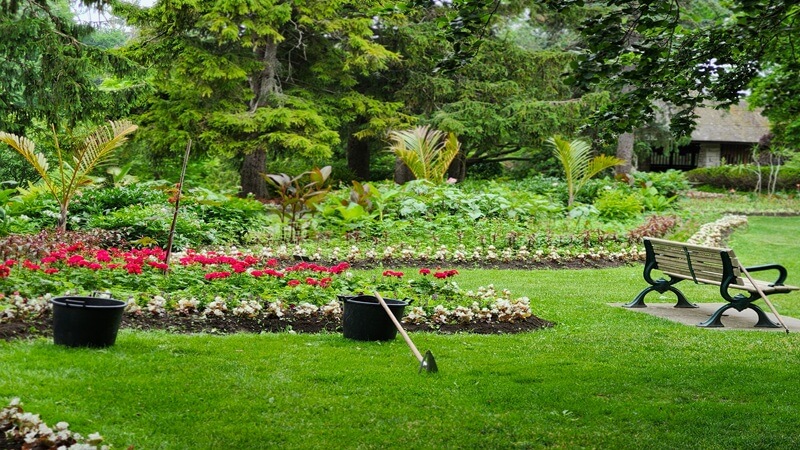
A beautiful garden is more than just an outdoor space—it is a place to relax, enjoy nature, entertain guests, and increase your home’s value. Whether you have a large backyard or a small garden, proper planning and regular maintenance can transform it into a vibrant and welcoming environment. This comprehensive guide shares the best decoradyard garden tips to help beginners and experienced gardeners create a thriving outdoor space with ease.
From choosing the right plants to maintaining healthy soil and designing attractive landscapes, this article covers everything you need to know to build a garden that remains beautiful throughout the year.
Why Gardening Matters
Gardening offers many benefits beyond improving your home’s appearance. It provides physical exercise, reduces stress, supports local wildlife, and creates a peaceful environment where you can unwind after a busy day.
Some major benefits include:
- Improves air quality
- Enhances property value
- Creates outdoor living space
- Encourages healthy outdoor activities
- Supports birds, bees, and butterflies
- Produces fresh vegetables and herbs
No matter your experience level, anyone can build a stunning garden with proper planning and consistent care.
Start with a Garden Plan
Before planting anything, create a simple garden plan.
Consider:
- Available sunlight
- Soil condition
- Drainage
- Water source
- Climate
- Space limitations
Sketch your garden layout and decide where flower beds, lawns, pathways, shrubs, and seating areas will go.
Planning first prevents costly mistakes later.
Understand Your Garden Soil
Healthy plants begin with healthy soil.
Different soil types include:
Sandy Soil
- Drains quickly
- Warms faster
- Requires frequent watering
Clay Soil
- Holds moisture
- Rich in nutrients
- Needs better drainage
Loamy Soil
This is considered the ideal gardening soil because it balances moisture retention and drainage while providing essential nutrients.
Improve soil quality by adding:
- Compost
- Organic manure
- Leaf mulch
- Coconut coir
- Garden compost
Healthy soil supports stronger roots and healthier plants.
Choose Plants Suitable for Your Climate
One of the biggest gardening mistakes is selecting plants that don’t match local weather conditions.
Choose plants based on:
- Sun exposure
- Rainfall
- Temperature
- Humidity
Native plants generally require less maintenance because they naturally adapt to local conditions.
Examples include:
- Lavender
- Hydrangea
- Roses
- Sunflowers
- Hostas
- Ferns
- Marigolds
Always read plant labels before purchasing.
Water Your Garden Properly
Plants need consistent watering, but overwatering can damage roots.
Best watering practices include:
- Water early in the morning
- Avoid watering during hot afternoons
- Water deeply instead of lightly
- Reduce watering during rainy seasons
Installing a drip irrigation system can save water while keeping plants healthy.
Mulching Improves Plant Health
Mulch protects your garden in many ways.
Benefits include:
- Conserves moisture
- Prevents weeds
- Regulates soil temperature
- Adds nutrients over time
- Reduces erosion
Popular mulch materials include:
- Bark chips
- Straw
- Wood chips
- Compost
- Pine needles
Apply a 2–3 inch layer around plants while keeping mulch away from stems.
Fertilize Plants Wisely
Plants require nutrients for healthy growth.
The primary nutrients are:
- Nitrogen (Leaf growth)
- Phosphorus (Root development)
- Potassium (Flowers and fruits)
Organic fertilizers include:
- Compost
- Bone meal
- Fish emulsion
- Worm castings
- Seaweed extract
Avoid excessive fertilizer, which can harm plants instead of helping them.
Control Weeds Naturally
Weeds compete with plants for water and nutrients.
Effective weed control methods include:
- Mulching
- Hand pulling
- Landscape fabric
- Regular maintenance
- Dense planting
Avoid allowing weeds to produce seeds.
Prune Plants Regularly
Pruning encourages healthier growth and improves appearance.
Remove:
- Dead branches
- Diseased stems
- Damaged leaves
- Overgrown shoots
Different plants require pruning during different seasons, so research each variety before trimming.
Attract Pollinators
Pollinators help flowers and vegetables produce better yields.
Plant flowers that attract:
- Bees
- Butterflies
- Hummingbirds
Good pollinator plants include:
- Lavender
- Coneflowers
- Salvia
- Cosmos
- Zinnias
Avoid excessive pesticide use to protect beneficial insects.
Build Beautiful Garden Paths
Garden pathways improve accessibility and add visual appeal.
Popular materials include:
- Gravel
- Natural stone
- Brick
- Concrete pavers
- Wooden stepping stones
Curved paths often create a more natural and inviting appearance.
Add Outdoor Lighting
Lighting extends garden enjoyment into the evening.
Consider installing:
- Solar lights
- LED pathway lights
- String lights
- Spotlights
- Lanterns
Proper lighting also improves safety.
Decorate with Garden Accessories
Accessories personalize your outdoor space.
Ideas include:
- Garden benches
- Bird baths
- Decorative pots
- Water fountains
- Trellises
- Outdoor sculptures
- Hanging baskets
Avoid overcrowding your garden with decorations.
Grow Vegetables and Herbs
Even a small garden can produce fresh food.
Easy vegetables include:
- Tomatoes
- Lettuce
- Spinach
- Peppers
- Cucumbers
- Carrots
Popular herbs include:
- Basil
- Mint
- Rosemary
- Thyme
- Parsley
Raised garden beds simplify vegetable gardening.
Seasonal Garden Maintenance
Every season requires different care.
Spring
- Prepare soil
- Plant flowers
- Apply fertilizer
- Prune shrubs
Summer
- Water regularly
- Remove weeds
- Monitor pests
- Harvest vegetables
Autumn
- Clean leaves
- Plant bulbs
- Add compost
- Protect delicate plants
Winter
- Cover sensitive plants
- Clean tools
- Plan next year’s garden
- Maintain bird feeders
Prevent Common Garden Pests
Common pests include:
- Aphids
- Slugs
- Caterpillars
- Spider mites
- Whiteflies
Natural control methods include:
- Neem oil
- Ladybugs
- Hand removal
- Soap sprays
- Companion planting
Healthy plants naturally resist many pests.
Create a Wildlife-Friendly Garden
Encourage biodiversity by providing food and shelter.
Add:
- Native flowers
- Bird feeders
- Bird baths
- Bee hotels
- Small ponds
- Shrubs for nesting
Wildlife helps maintain a balanced ecosystem.
Maintain Garden Tools
Clean tools work better and last longer.
Essential maintenance:
- Wash after use
- Sharpen blades
- Oil metal parts
- Store in a dry place
- Replace broken handles
Quality tools make gardening easier.
Common Gardening Mistakes to Avoid
Many beginners make avoidable mistakes.
These include:
- Overwatering plants
- Poor soil preparation
- Planting too closely
- Ignoring sunlight requirements
- Using excessive fertilizer
- Skipping pruning
- Neglecting weed control
Learning from these mistakes leads to healthier gardens.
Sustainable Gardening Practices
Eco-friendly gardening benefits both your home and the environment.
Practice sustainability by:
- Collecting rainwater
- Composting kitchen waste
- Planting native species
- Reducing chemical pesticides
- Recycling garden materials
- Using organic fertilizers
These simple habits reduce environmental impact while saving money.
Expert decoradyard garden tips for Every Home
Professional gardeners agree that consistency is the secret to success. Rather than making major changes all at once, focus on regular maintenance, healthy soil, proper watering, and selecting plants that suit your environment. These decoradyard garden tips can help you build a garden that stays vibrant, productive, and enjoyable throughout every season.
Final Thoughts
Creating a beautiful garden doesn’t require professional landscaping skills or a large budget. With thoughtful planning, healthy soil, proper watering, seasonal maintenance, and smart plant selection, anyone can develop an outdoor space they can be proud of.
Whether you’re growing colorful flowers, fresh vegetables, or designing a peaceful backyard retreat, these practical strategies will help you achieve lasting success. By following these proven decoradyard garden tips, you’ll create a healthier, greener, and more inviting garden that enhances your home and provides enjoyment for years to come.