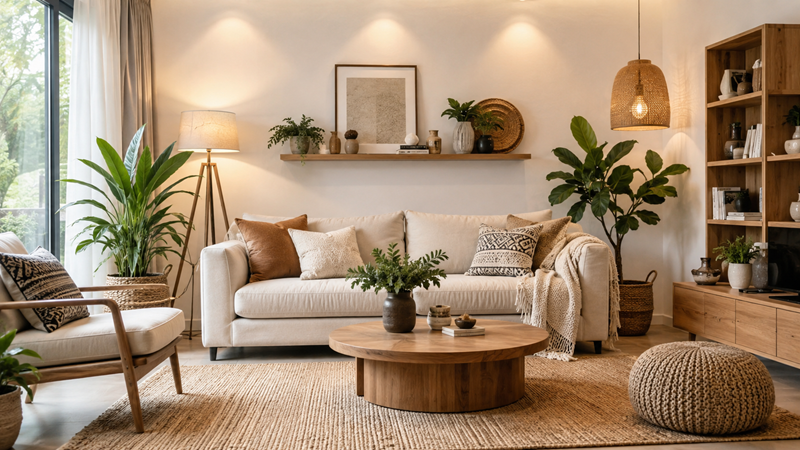
A thoughtfully decorated home can feel welcoming, comfortable, and organized without requiring an expensive renovation. The secret is not to fill every corner with decorative items, but to make intelligent choices about layout, colors, furniture, lighting, materials, and accessories.
The approach behind from decoratoradvice decoration ideas decoradyard brings together practical decorating techniques that can be adapted to different homes and budgets. Whether you are updating a single room or improving your entire property, a structured decorating process can help you achieve a polished result while keeping the space practical for everyday living.
The Foundation of Successful Home Decoration
Before selecting paint colors or purchasing new furniture, take time to understand the space. Every room has different dimensions, lighting conditions, architectural features, and practical requirements.
Professional-looking interiors usually depend on three important principles: balance, proportion, and functionality.
Create Visual Balance
A room feels more harmonious when large and small elements are distributed thoughtfully. A substantial sofa, for example, can be complemented by smaller tables, lamps, cushions, artwork, or plants.
Avoid placing decorative objects randomly. Group related accessories together and leave enough open space around them so each feature can be appreciated.
Pay Attention to Scale
Furniture and accessories should be selected according to the dimensions of the room. A large sofa may dominate a compact living room, while tiny furniture can appear insignificant in a spacious area.
Measure your available space before purchasing major items. This simple step can prevent expensive mistakes.
Keep Everyday Use in Mind
Decoration should support your lifestyle. A family living room needs comfortable seating, a kitchen requires efficient working areas, and a bedroom should provide a relaxing environment.
A room can look impressive while still being inconvenient. The best interiors combine visual appeal with practical use.
Step 1: Build a Decorating Strategy
A successful decorating project begins with a plan. Instead of purchasing items whenever something catches your attention, decide what you want to accomplish first.
Establish Your Desired Look
Think about the atmosphere you want your home to have. You might prefer a contemporary interior with clean lines, a warm rustic environment, a simple minimalist setting, or a more traditional appearance.
Mix Styles With Intention
You are not limited to a single decorating style. Different influences can work together when they share complementary colors, materials, or shapes.
For example, modern furniture can be combined with natural wood, traditional artwork, or woven accessories to create a distinctive interior.
Examine the Room Before Making Changes
Walk through the room and identify its strengths and weaknesses.
Consider:
- Available floor area
- Existing furniture
- Window placement
- Natural light
- Wall colors
- Flooring
- Storage needs
- Electrical points
- Main walking routes
This assessment gives you a clearer idea of what should be changed and what can remain.
Prepare Your Shopping List
Make a list of essential items before spending money. Separate necessary purchases from optional decorations.
This prevents impulse buying and makes it easier to stay within your budget.
Step 2: Choose a Coordinated Color Palette
Color influences the character of an interior more than many people realize. A carefully selected palette can make a room feel calm, energetic, warm, spacious, or sophisticated.
Select Your Base Shade
Begin with a dominant color for the largest surfaces. Walls, major furniture, and flooring often form the foundation of the palette.
Neutral shades offer flexibility, while richer colors can introduce stronger personality.
Introduce Supporting Colors
Once the base color is established, add complementary shades through smaller elements such as curtains, cushions, rugs, artwork, and decorative accessories.
Using related tones helps create continuity from one part of the room to another.
Avoid an Uncontrolled Mix of Colors
Too many unrelated shades can make an interior appear visually busy. Instead, select a limited group of colors and repeat them naturally throughout the room.
Check the Palette in Different Conditions
A color that looks attractive in a showroom may appear completely different at home. Examine paint samples during morning, afternoon, and evening light before committing to a final shade.
Step 3: Plan the Furniture Layout
Furniture arrangement determines how easily people can move through a room and how naturally different areas connect.
Create a Useful Focal Point
Every room benefits from having a visual or functional center. In a living room, this could be a fireplace, television area, artwork, or seating arrangement.
Arrange surrounding furniture so attention naturally moves toward that feature.
Divide Large Rooms Into Zones
An open or spacious room can serve multiple purposes. You could create a conversation area, reading corner, workspace, or entertainment zone.
Rugs, lighting, and furniture placement can visually separate these areas without requiring physical walls.
Protect Your Walking Paths
Do not position furniture where it blocks doors, windows, or commonly used routes. Leave enough room for people to move comfortably between different areas.
Choose Space-Saving Furniture
Smaller rooms can benefit from nesting tables, storage benches, folding furniture, wall shelves, and other multifunctional pieces.
These options provide useful features without consuming unnecessary floor space.
Step 4: Give Your Walls More Character
Walls can dramatically influence the personality of a room. Empty walls may look unfinished, while thoughtfully decorated surfaces can become attractive focal points.
Select Artwork That Fits the Room
Consider framed artwork, photographs, botanical illustrations, handmade pieces, or decorative prints.
The artwork does not have to match the furniture exactly. However, it should relate to the room through color, theme, scale, or style.
Build a Gallery Display
Several smaller pieces can be arranged together to create one larger visual feature.
Before hanging anything, place the frames on the floor and experiment with different arrangements. This makes it easier to find a balanced composition.
Add Mirrors Where They Help
Mirrors can brighten a room by reflecting available light. They can also add depth when positioned strategically.
Instead of placing a mirror randomly, consider what it will reflect. A pleasant view, window, artwork, or attractive architectural feature can create a stronger effect.
Step 5: Design a Layered Lighting Scheme
Lighting can change the entire mood of an interior. Rather than relying on one ceiling fixture, combine several sources to create flexibility.
Use Ambient Lighting
Ambient lighting provides general illumination throughout the room. Ceiling fixtures and larger light sources commonly perform this role.
Add Task Lighting
Task lighting is designed for specific activities. Desk lamps, reading lamps, under-cabinet kitchen lights, and bedside fixtures are useful examples.
Introduce Accent Lighting
Accent lights can draw attention to artwork, shelves, plants, architectural details, or other decorative features.
Combining these three lighting approaches gives you greater control over the atmosphere.
Make Better Use of Daylight
Natural light is one of the most valuable decorating resources. Keep windows unobstructed where possible and use suitable curtains that provide privacy without unnecessarily reducing daylight.
Step 6: Build Depth With Texture
A room can have attractive colors and furniture yet still feel visually plain. Texture adds another layer of interest.
Combine Contrasting Materials
Try bringing together different surfaces such as:
- Natural wood
- Soft fabrics
- Ceramic
- Glass
- Metal
- Stone
- Woven fibers
The contrast between these materials creates depth without requiring excessive decoration.
Layer Soft Accessories
Rugs, blankets, curtains, cushions, and upholstered furniture can make an interior feel warmer and more inviting.
For example, a simple sofa can become more comfortable and visually interesting with a textured throw, a few coordinated cushions, and a suitable rug.
Step 7: Introduce Natural Elements
Nature can bring freshness and character into an interior.
Use Indoor Plants
Select plants according to the available light and the amount of care you can provide. Small varieties can sit on shelves and tables, while larger plants can occupy unused corners.
Choose Appropriate Containers
Plant pots can become part of the overall design. Select containers that complement the room’s materials and color palette.
Incorporate Natural Materials
You can also create an organic atmosphere through timber, bamboo, rattan, stone, jute, and woven materials.
These materials can work especially well with neutral colors and soft textiles.
Step 8: Apply the Principles to Each Room
Once your overall design approach is established, adapt it to the requirements of individual spaces.
Living Room Ideas
Begin with the main seating arrangement. Place the sofa and chairs so conversation feels natural and movement remains easy.
Add a suitably sized rug, coffee table, lighting, and a limited number of decorative accessories.
Keep Surfaces Under Control
Avoid covering every table, shelf, and cabinet with objects. A little empty space can make carefully selected decorations appear more prominent.
Bedroom Ideas
The bedroom should encourage rest and relaxation. Focus on comfortable bedding, balanced lighting, suitable curtains, and calming colors.
Create a Calm Bedside Area
Keep bedside tables useful rather than overcrowded. A lamp, book, small plant, or one decorative object may be enough.
Soft textiles and subtle wall decoration can add warmth without making the room feel busy.
Kitchen Ideas
A kitchen should remain easy to work in while also looking attractive.
Keep frequently used items accessible and store unnecessary objects away. Wooden boards, ceramic containers, plants, and attractive utensils can provide decorative interest.
Refresh Cabinets Without Replacing Them
New handles or knobs can give older cabinets a different appearance without the cost of a complete replacement.
Bathroom Ideas
Bathrooms can benefit from simple coordination. Select towels, storage baskets, mirrors, and accessories that work well together.
Keep toiletries organized and avoid allowing countertops to become crowded.
Step 9: Extend the Design Outdoors
Your outdoor areas deserve the same level of attention as your interior rooms. A balcony, patio, garden, or backyard can become a comfortable extension of your living space.
Make Small Balconies More Useful
Limited space does not mean limited possibilities. Compact seating, foldable tables, hanging planters, and vertical gardening can make a small balcony more functional.
Create Outdoor Zones
Larger gardens and patios can be divided into different areas for dining, relaxing, gardening, or entertaining.
Add Greenery
Use planters, raised beds, hanging containers, and vertical planting systems to introduce more greenery.
Improve Evening Ambience
Outdoor lighting can make a garden or patio more welcoming after sunset. Use suitable lighting around seating areas, pathways, plants, or other features you want to highlight.
This is an important part of from decoratoradvice decoration ideas decoradyard, where thoughtful decoration can connect indoor comfort with attractive outdoor spaces.
Step 10: Personalize the Interior
A professionally decorated home should not feel impersonal. Your surroundings should include details that tell visitors something about the people who live there.
Display Meaningful Pieces
Photographs, books, artwork, travel souvenirs, handmade crafts, and treasured objects can add individuality.
Avoid Excessive Decoration
Personalization does not mean displaying everything you own. Choose items that have genuine meaning or contribute positively to the room’s appearance.
A smaller collection of well-positioned objects can create a more refined result.
Step 11: Make Organization Part of the Décor
Clutter can quickly reduce the visual impact of even the best interior design.
Select Attractive Storage
Use baskets, cabinets, floating shelves, storage benches, decorative boxes, and multifunctional furniture to keep belongings organized.
Take Advantage of Vertical Areas
When floor space is limited, use walls. Tall shelving and wall-mounted storage can provide additional capacity while keeping the floor clear.
Declutter Regularly
Review your belongings from time to time and remove items that are broken, unused, or no longer necessary.
An organized room usually feels more spacious and easier to maintain.
Step 12: Decorate on a Realistic Budget
Beautiful results are possible without spending a fortune.
Rearrange Before Buying
Try moving existing furniture into a new configuration before purchasing replacements. A different layout can completely change the appearance of a room.
Move Accessories Between Rooms
A lamp, vase, plant, mirror, or artwork may look more suitable in another part of the house.
Experiment with what you already own before shopping for something new.
Explore Simple DIY Updates
Painting a small table, changing cabinet hardware, creating handmade artwork, or repurposing containers can give your home a fresh appearance at a relatively low cost.
Step 13: Use Trends Selectively
Trends can provide excellent inspiration, but they do not need to determine your entire interior.
Prioritize Long-Term Pieces
When buying expensive furniture, select pieces that are practical and likely to remain useful for years.
Add Trends Through Smaller Details
If you enjoy experimenting with current styles, introduce them through rugs, cushions, artwork, lamps, or accessories.
These items are easier to replace when your preferences change.
Decorating Mistakes That Can Affect the Final Result
Even attractive decorating ideas can fail when basic principles are ignored.
Too Much Furniture
Overloading a room reduces movement and can make the space feel uncomfortable.
Poorly Sized Pieces
Furniture that is too large or too small can disturb the visual balance of a room.
Excessive Color Variation
Using too many unrelated colors may make the interior appear disconnected. A coordinated palette generally produces a more polished appearance.
Ignoring Practical Needs
Never choose decoration at the expense of everyday usability. Seating should be comfortable, storage should be accessible, and walking routes should remain clear.
A Professional Home Decorating Workflow
For a smoother project, follow a logical sequence instead of making changes randomly.
Recommended Process
Inspect → Measure → Plan → Select Colors → Choose Furniture → Arrange Layout → Install Lighting → Add Textures → Introduce Accessories → Organize → Review
Begin with the largest and most important elements. Once the foundation is complete, add smaller decorative features.
This method helps prevent unnecessary purchases and ensures that individual elements complement one another.
Final Thoughts
Creating an attractive home is a gradual process rather than a single shopping trip. The strongest results come from understanding your space and making deliberate decisions about layout, color, lighting, materials, storage, and decoration.
The ideas associated with from decoratoradvice decoration ideas decoradyard can be used as inspiration for creating interiors and outdoor spaces that feel organized, comfortable, and welcoming.
Start with a clear plan, measure your available space, establish a suitable color palette, arrange furniture according to the room’s purpose, and then build the design with lighting, texture, plants, artwork, and personal accessories.
You do not need to change everything at once. Even small, carefully considered improvements can make a noticeable difference. When decoration is planned around both appearance and everyday living, the result is a home that is not only attractive but also genuinely enjoyable to use.