A beautiful home does not have to be expensive, oversized, or filled with designer furniture. The most inviting spaces usually come from thoughtful choices, practical layouts, comfortable textures, and small details that reflect the people who live there. If you are refreshing one room or planning a complete home makeover, the right decorating approach can make an ordinary space feel warm, balanced, and personal. Current 2026 decorating trends are also moving toward warmer colors, natural materials, layered textures, expressive details, and homes that feel genuinely lived in rather than perfectly staged.
This guide to decoration tips decoradyard is designed to help you decorate with confidence without making the process complicated. You will learn how to choose colors, arrange furniture, improve lighting, decorate walls, add natural elements, and create visual balance. The goal is not to copy someone else’s home. Instead, use these ideas as a foundation and adapt them to your room size, lifestyle, budget, and personal taste.
Why Decoration Matters in Every Home
Decoration affects much more than appearance. A well-planned room can feel calmer, more comfortable, and easier to use because every major element has a purpose. Think of decorating like putting together an outfit: individual pieces may look attractive, but they need to work together before the entire look feels right. The same principle applies to furniture, wall colors, curtains, rugs, lighting, artwork, and accessories.
You do not need to replace everything to create noticeable improvement. Sometimes moving a sofa, changing cushion covers, adding a rug, or improving the lighting can completely change the atmosphere. The key is to avoid buying random decorative items simply because they look attractive in a shop. Before adding anything, ask yourself whether the item improves the room’s function, comfort, color balance, or personality.
Start With a Clear Decorating Plan
Before buying paint, furniture, artwork, or accessories, decide what you actually want to achieve. Look at the room during different times of the day and notice its natural light, traffic flow, available storage, and areas that already work well. Take measurements of walls and furniture so that new purchases are proportional to the available space.
A simple plan can prevent expensive mistakes. Create a basic list of what you already own, what needs to be replaced, and what can simply be rearranged. If your budget is limited, prioritize the pieces that have the greatest visual or practical impact. This approach makes decoration tips decoradyard more useful because you are decorating intentionally rather than following every trend you see online.
Define Your Style and Budget
Your decorating style does not need a complicated label. You may prefer warm minimalism, modern interiors, traditional details, rustic textures, contemporary furniture, or a combination of several styles. The important thing is to identify colors, materials, shapes, and patterns that you naturally enjoy.
Your budget should be decided before shopping. Divide it between major items and smaller finishing touches, leaving some money for unexpected expenses. A good decorating budget does not mean buying the cheapest option available; it means choosing where your money will make the biggest difference.
Measure Before You Buy
Measurements are one of the simplest ways to avoid decorating problems. A large sofa can overwhelm a small living room, while a tiny rug may make a spacious room feel disconnected. Measure walls, doorways, windows, furniture locations, and walking areas before purchasing anything substantial.
Use paper, masking tape, or a simple floor-plan app to visualize dimensions. This small step can save time and prevent the frustration of discovering that an attractive piece does not fit comfortably in your room.
Choose a Balanced Color Palette
Color establishes the mood of a room before visitors even notice individual decorations. Instead of selecting many unrelated shades, choose a simple palette with a dominant color, supporting neutral tones, and one or two accent colors. Warm earthy colors, greens, rich neutrals, and personalized shades are receiving attention in current decorating discussions, while homeowners are increasingly using color to express individuality.
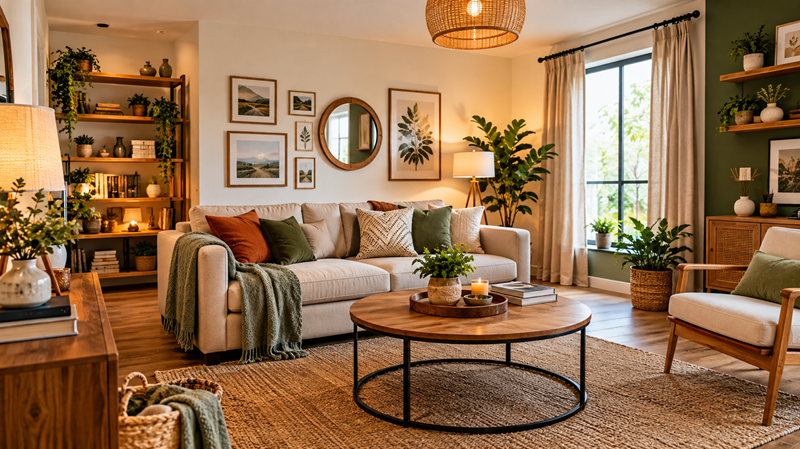
A balanced palette does not mean every object must match. In fact, rooms can feel more interesting when different shades of the same color appear throughout the space. For example, a neutral sofa can work with muted green cushions, natural wood furniture, and artwork containing small touches of deeper green. The result feels coordinated without becoming predictable.
Use Neutral Colors as a Base
Neutral colors such as cream, beige, soft gray, warm white, and taupe can provide a flexible background. They allow furniture, artwork, plants, and accessories to stand out without creating visual competition. Warm neutrals can also make a room feel more welcoming than an overly stark palette.
If your room already has colorful furniture or flooring, a quieter wall color may create better balance. On the other hand, a simple room can benefit from a stronger wall shade when used thoughtfully.
Add Character With Accent Colors
Accent colors are an easy way to introduce personality without repainting an entire home. Try using one color through cushions, curtains, ceramics, artwork, throws, or a small piece of furniture. If you like changing your decor regularly, keep expensive pieces relatively versatile and experiment with color through affordable accessories.
Current design reporting also shows stronger interest in expressive color and color-drenching techniques, where related shades can cover walls and architectural details for a more immersive effect.
Make Furniture Work for the Room
Furniture should support the way you actually live. A beautiful sofa is not useful if it blocks movement, while an impressive dining table may become frustrating if there is not enough space around it. Start by identifying the room’s main function and arrange furniture around that purpose.
In a living room, create a comfortable conversation area rather than pushing every piece against a wall automatically. In a bedroom, keep enough clearance around the bed for easy movement. In a home office, place the desk where natural light can be useful without creating distracting glare.
Create Better Furniture Placement
Leave clear walking paths and avoid placing too many large objects together. A room generally feels more spacious when people can move naturally from one area to another. If possible, arrange furniture around a focal point such as a fireplace, window, artwork, television, or architectural feature.
Rugs can also help define zones, particularly in open-plan homes. Make sure the rug is large enough to visually connect the important furniture pieces instead of appearing like a small island in the center of the room.
Mix Styles Without Creating Clutter
Mixing old and new pieces can create a more personal home. Current design trends increasingly favor collected interiors, vintage elements, natural materials, and combinations that feel developed over time rather than purchased as one matching set.
The secret is repetition. If you combine different styles, repeat a color, material, shape, or finish in several places. This creates a visual connection between pieces that might otherwise seem unrelated.
Improve Your Home With Layered Lighting
Lighting can transform a room without changing its furniture. Instead of depending on one bright ceiling fixture, consider several light sources at different heights. Ambient lighting provides general illumination, task lighting supports activities such as reading or working, and accent lighting highlights artwork, shelves, plants, or architectural details.
Layered lighting is particularly relevant to current home decorating because designers and retailers are emphasizing softer, more atmospheric illumination and decorative fixtures.
Combine Ambient, Task, and Accent Lighting
Use ceiling lights for general brightness, floor or table lamps for comfortable local lighting, and smaller fixtures to draw attention to special areas. A reading corner might need a floor lamp, while a sideboard could benefit from a decorative table lamp.
Think about evening use when planning lighting. A room that looks attractive in daylight may feel completely different after sunset, so several smaller light sources can create a warmer atmosphere.
Use Decorative Lamps as Features
Lighting fixtures can become decorative objects themselves. Natural materials such as rattan, bamboo, paper, and fabric are being highlighted in 2026 design discussions because they introduce texture while producing a softer visual effect.
Choose fixtures that complement your overall style rather than selecting them only for appearance. A simple lamp with an interesting texture can add more character than several small accessories competing for attention.
Add Texture With Natural Materials
Texture prevents a room from feeling flat. Wood, stone, linen, cotton, rattan, ceramics, woven fibers, and other natural-looking materials can introduce warmth and depth. Current design trends continue to emphasize tactile surfaces and natural materials as homeowners seek spaces that feel comfortable and authentic.
You can introduce texture without undertaking a renovation. Add a woven basket, linen curtains, a textured throw, wooden accessories, ceramic pieces, or a natural-fiber rug. When several textures appear together, even a neutral color palette can feel rich and interesting.
Bring In Wood, Rattan, Linen, and Stone
Natural materials work particularly well when combined rather than isolated. For example, a wooden coffee table can be paired with a linen sofa, woven basket, ceramic vase, and stone accessory. These materials have different surfaces, so the room gains visual variety without needing dozens of colors.
Do not feel pressured to use expensive materials. Affordable natural-looking accessories can provide much of the same visual warmth when chosen carefully.
Layer Fabrics for Comfort
Soft furnishings are among the easiest decorating elements to update. Cushions, throws, curtains, bedding, and rugs can change a room’s character without replacing major furniture. Combine different textures while keeping the overall color palette connected.
For example, pair a smooth cushion with a woven throw and a textured rug. The goal is to create contrast that feels intentional rather than chaotic.
Decorate Walls With Personality
Empty walls can make even a well-furnished room feel unfinished. Artwork, mirrors, photographs, shelves, textiles, and decorative objects can give walls more personality. Instead of filling every available space, choose a few meaningful pieces and give them enough room to stand out.
Gallery walls can work particularly well when frames share a visual connection. You can mix photographs, artwork, mirrors, and small objects while repeating one or two colors. Current design trends are also moving toward more personal and eclectic wall displays rather than perfectly uniform arrangements.
Use Mirrors and Artwork Carefully
Mirrors can make a room appear brighter and can help reflect natural light when positioned thoughtfully. A large mirror can also become a focal point, while smaller mirrors can add decorative interest. Avoid placing mirrors randomly; consider what they will reflect before deciding where to hang them.
Artwork should have meaning or visual appeal for the people living in the home. You do not need expensive original pieces. Personal photographs, handmade artwork, prints, textiles, or locally crafted pieces can create a stronger sense of identity.
Bring Nature Indoors
Plants add color, texture, and life to interior spaces. If you have good natural light, choose plants that suit the conditions rather than selecting them only for appearance. For darker areas, use appropriate low-light plants or consider other natural elements such as branches, dried arrangements, wood, or stone.
Natural decoration also works outdoors. A balcony, patio, or garden can become an extension of the home’s personality through comfortable seating, planters, outdoor lighting, and practical accessories. The best approach is to create an environment that is enjoyable to use rather than simply attractive in photographs.
Refresh Each Room With Simple Changes
You do not need to redesign your entire house at once. Start with the room that bothers you most and identify three changes that could make a noticeable difference. You might rearrange furniture, update textiles, improve lighting, and remove unnecessary clutter.
For a bedroom, new bedding, bedside lighting, artwork, and curtains can create a fresh atmosphere. In the living room, a new rug, cushions, plants, and better furniture placement may be enough. In the kitchen, organized counters, attractive containers, natural accessories, and improved lighting can make the space feel cleaner and more intentional.
The most effective decoration tips decoradyard are not about buying more things. They are about making better decisions with the things you already have and adding new pieces only when they genuinely improve the space.
Conclusion
Good home decoration is a balance between beauty, comfort, function, and personality. You do not have to follow every trend or spend a large amount of money to create an attractive home. Start with a clear plan, choose a cohesive color palette, arrange furniture around real-life needs, layer your lighting, introduce natural textures, and use artwork and accessories that mean something to you.
The biggest decorating improvement often comes from small decisions made consistently. Current 2026 design trends reinforce this shift toward warmer, more personal, textured, and lived-in interiors rather than spaces that feel overly coordinated.
Use these decoration tips decoradyard as inspiration, then make the final choices based on your own home and lifestyle. Your home should not look like everyone else’s. It should feel comfortable, useful, welcoming, and unmistakably yours.Click here see more details.