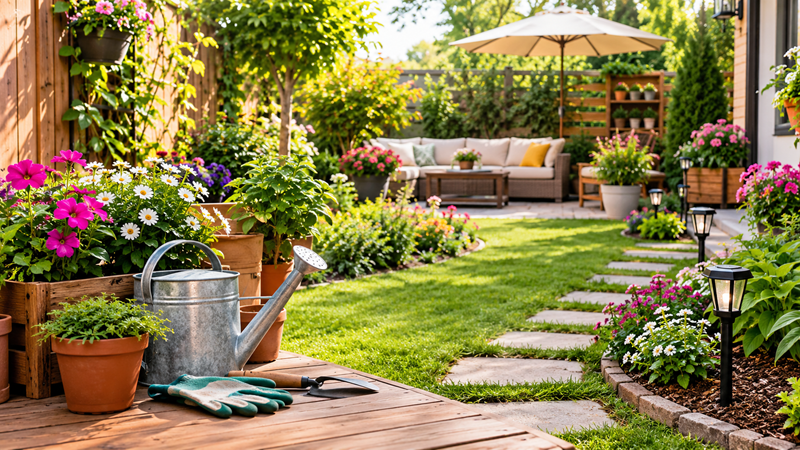
A beautiful garden can transform an ordinary outdoor space into a peaceful, colorful, and welcoming part of your home. Whether you have a large backyard, a small front lawn, a balcony, or a few pots near your entrance, the right gardening techniques can help you create a space that looks attractive throughout the year. You do not need expensive equipment or professional landscaping services to get started. What you really need is a clear plan, suitable plants, healthy soil, and a manageable care routine.
The idea behind decoradhouse garden tips by decoratoradvice is to make gardening easier for beginners while helping experienced gardeners improve their outdoor spaces. From selecting flowers and arranging plants to watering correctly and decorating on a budget, small improvements can make a significant difference. With thoughtful planning, you can create a garden that reflects your personality, supports local wildlife, and provides a relaxing place to spend your free time.
1. Understand Your Garden Before Planting
Before purchasing flowers, shrubs, or seeds, take time to understand your garden’s natural conditions. Every outdoor space has different levels of sunlight, soil quality, drainage, and available room. A plant that grows beautifully in one location may struggle in another because its basic needs are not being met. Observing your garden first helps you avoid unnecessary expenses and gives your plants a better chance of developing strong roots.
Assess Sunlight, Soil, and Space
Sunlight is one of the most important factors in successful gardening. Some flowering plants need several hours of direct sunlight, while shade-loving varieties grow better beneath trees or beside walls. Observe your garden at different times of the day and identify areas that receive full sun, partial shade, or mostly shade. This simple exercise helps you place each plant in a suitable location.
Soil quality also matters. Sandy soil drains quickly, while heavy clay soil can hold excessive moisture and become compacted. Adding suitable organic matter, such as finished compost, can improve soil structure and support healthier root development. If you are growing vegetables or maintaining a large flower bed, consider a soil test before applying fertilizers. Soil testing helps you understand nutrient levels and pH, allowing you to make informed improvements rather than adding unnecessary products.
Choose Plants for Your Climate
Selecting plants suited to your local climate makes garden care easier and more reliable. Consider seasonal temperatures, rainfall, humidity, and the amount of sunlight your garden receives. Plants that tolerate local conditions usually need less intervention once established.
For a home garden in a warm climate, you might explore suitable marigolds, zinnias, bougainvillea, basil, mint, or locally adapted flowering shrubs, depending on your location and growing conditions. In cooler climates, other flowers and hardy perennials may be more appropriate. Always check the plant’s mature size, watering needs, and preferred growing season before buying it.
2. Plan an Attractive Garden Layout
A good garden design combines beauty with practicality. Instead of planting everything randomly, think about how colors, heights, textures, and walking paths will work together. A clear layout makes your garden look organized and allows you to maintain it without constantly moving pots or stepping around plants.
Create Functional Garden Zones
Divide your available space into areas that serve different purposes. For example, you could create a flower border near the entrance, a small vegetable bed in a sunny corner, and a seating area where you can enjoy the garden. If your space is limited, container gardening allows you to separate herbs, flowers, and ornamental plants without needing additional ground.
Keep frequently used areas accessible. Leave enough room to walk between planting beds, reach outdoor taps, and maintain shrubs without damaging nearby flowers. Place taller plants where they will not block sunlight from shorter varieties. If you are designing a small garden, use vertical space with suitable trellises, wall-mounted planters, or climbing plants.
Add Color, Texture, and Height
A visually appealing garden includes variety without looking overcrowded. Combine plants with different leaf shapes, flower colors, and growth habits. For example, soft ornamental grasses can complement colorful flowers, while evergreen shrubs provide structure when seasonal blooms disappear.
Try repeating a few plant varieties throughout the garden instead of introducing too many unrelated colors. Repetition creates a consistent appearance, while contrasting textures keep the space interesting. Taller plants can provide a backdrop, medium-sized plants can fill the middle, and low-growing varieties can soften the edges of paths or borders.
For more inspiration, explore garden layouts that match your home’s architectural style. A modern home may suit clean lines and simple containers, while a traditional property may look better with curved borders and mixed flowering plants.
3. Improve Soil for Stronger Plant Growth
Healthy soil provides the foundation for a productive and attractive garden. It supports roots, stores moisture, supplies nutrients, and provides a habitat for beneficial organisms. Even beautiful plants can struggle when the soil becomes compacted, drains poorly, or lacks suitable nutrients. Improving soil gradually is often more effective than relying on frequent fertilizer applications.
Use Organic Matter to Improve Soil
Finished compost, leaf mold, and well-rotted manure can improve soil structure when used appropriately. Organic matter helps sandy soils retain moisture and can improve the structure of heavier soils. It also supports soil organisms that contribute to nutrient cycling and long-term soil health.
Spread suitable compost over the planting area and incorporate it into the soil when appropriate for the plants and garden system. Avoid digging deeply or repeatedly when it is unnecessary, because excessive disturbance can damage soil structure. Do not use fresh manure directly around sensitive plants, as it may damage roots or introduce unwanted pathogens.
Fertilizer should be selected according to the plant’s needs and, where possible, soil-test results. Applying more fertilizer than necessary does not automatically produce healthier flowers. Excess nutrients may encourage weak growth or wash into surrounding waterways.
Protect Soil with Mulch
Mulching is a simple way to reduce maintenance while improving growing conditions. Suitable materials include shredded leaves, untreated wood chips, straw, and other organic mulches appropriate for the garden. Mulch helps reduce moisture loss, suppresses many weeds, and moderates soil temperature.
For many established planting beds, a layer around 2–3 inches thick is a useful starting point, although the appropriate depth depends on the material and plant type. Keep mulch away from stems, crowns, and tree trunks to reduce the risk of rot. Avoid piling it too deeply, because thick or compacted layers can interfere with water movement and air circulation.
As organic mulch breaks down, it contributes organic matter to the soil. Check it periodically and replenish it only when necessary rather than adding new layers automatically. These straightforward practices help maintain a healthier garden with less repetitive work.
4. Water Your Garden the Right Way
Watering seems simple, but it is one of the areas where gardeners make the most mistakes. Too little water can cause wilting and slow growth, while too much can deprive roots of oxygen and encourage root diseases. The ideal watering routine depends on the plant species, soil type, weather, container size, and stage of growth.
Water According to Plant Needs
Check the soil before watering instead of following a rigid daily schedule. If the soil is still moist around the roots, you may not need to add more water. When watering is necessary, apply it slowly enough to reach the root zone rather than allowing it to run across the surface.
Early morning is often a practical time to water because plants can absorb moisture before the hottest part of the day. Directing water toward the soil also keeps foliage drier and can reduce certain disease problems. Newly planted flowers, shrubs, and trees generally need closer monitoring while their roots establish.
Container plants may dry out faster than plants growing in the ground, particularly during hot weather. Check pots regularly and make sure they have drainage holes. Adjust watering after rainfall and during temperature changes rather than assuming every plant needs the same amount.
Use Water Efficiently
You can reduce water waste with a few practical changes. Water close to plant roots, group plants with similar moisture requirements, and apply mulch where appropriate. A watering can is useful for a few containers, while a soaker hose or drip irrigation system may help with larger planting areas.
Collecting rainwater can also be useful where local rules and conditions allow it. Use clean, suitable containers and keep stored water protected from contamination and mosquitoes. Most importantly, observe how your plants respond. Wilting, yellowing leaves, soggy soil, and poor growth can indicate different problems, so check the soil and roots before assuming that more water will solve everything.
5. Keep Your Garden Healthy with Regular Maintenance
A garden rarely stays attractive without some routine attention. Fortunately, maintenance does not need to consume your entire weekend. Short, consistent sessions can prevent small problems from developing into larger ones.
Prune Plants and Remove Weeds
Pruning helps maintain shape, remove damaged growth, and encourage healthy development in many plants. However, the correct timing and method vary by species. Some flowering shrubs produce blooms on older growth, so pruning them at the wrong time may remove next season’s flowers. Check the needs of each plant before cutting.
Remove dead, diseased, or damaged material when appropriate, and clean your tools between plants when disease transmission is a concern. Use sharp tools that make clean cuts, and avoid removing too much healthy growth at once.
Weeds compete with garden plants for water, light, nutrients, and space. Pulling small weeds when the soil is slightly moist can make the job easier. Regular inspection is often more effective than waiting until weeds spread throughout a flower bed. Mulching and thoughtful plant spacing can also reduce the amount of exposed soil available for weed seeds to grow.
Monitor Pests and Plant Diseases
Inspect leaves, stems, and the undersides of foliage for unusual spots, holes, sticky residue, or insects. Early identification helps you choose an appropriate response before a problem becomes severe. Not every insect is harmful, so avoid automatically treating every bug as a pest.
Start with practical measures such as removing badly affected leaves, improving airflow, correcting watering problems, and using physical barriers where suitable. If treatment is necessary, identify the pest first and choose a method approved for the plant and situation. Follow product directions carefully, especially around edible plants and pollinators.
6. Decorate Your Garden on a Budget
An inviting garden does not require expensive furniture, imported plants, or elaborate landscaping. Often, a few well-chosen details create more impact than a large collection of decorations. The key is to choose items that complement your home’s appearance and withstand outdoor conditions.
Use Containers and Recycled Materials
Containers are excellent for patios, balconies, entrances, and small yards. You can grow herbs, compact flowers, and suitable vegetables in pots as long as they provide enough room, drainage, and growing medium. Choose container sizes based on the plant’s mature roots and watering needs.
Reusing suitable containers can also help control costs. Old pots, clean wooden planters, and other weather-resistant materials can be repurposed creatively. Ensure that containers are safe for growing plants, have proper drainage, and have not held chemicals or other harmful substances.
Group containers in odd-numbered arrangements or use matching pots to create a coordinated appearance. A combination of different heights can add depth without making the space look cluttered. Remember that large containers are heavier, so position them carefully before filling them with soil.
Add Lighting and Comfortable Seating
Outdoor lighting can make a garden enjoyable after sunset. Solar pathway lights, weather-rated string lights, and small lanterns can highlight walkways or create a relaxing atmosphere. Select lighting suitable for outdoor use, and position electrical equipment safely away from water.
A simple bench, a pair of outdoor chairs, or a small table can turn an unused corner into a comfortable sitting area. Add weather-resistant cushions if appropriate, and keep paths clear for safe movement. A small focal point, such as a decorative pot or attractive flowering plant, can complete the arrangement without excessive spending.
If you want to make several improvements at once, begin with the entrance or the area you see most often from inside your home. Completing one section at a time makes the project more manageable and helps you understand which changes deliver the greatest visual improvement.
7. Choose Sustainable Gardening Practices
Sustainable gardening focuses on working with local conditions rather than constantly trying to control nature. It can reduce waste, support wildlife, and help create a garden that remains attractive with fewer unnecessary inputs. You can adopt these methods gradually, regardless of the size of your outdoor space.
Support Bees, Butterflies, and Other Pollinators
Pollinators help many flowering plants and food crops reproduce. To support them, grow a variety of suitable flowering plants and choose species adapted to your local region. A mixture of flower shapes, colors, and blooming periods can provide food throughout more of the growing season.
Include host plants for butterflies where suitable, because adult butterflies need more than nectar alone. Some species depend on particular plants for their caterpillars. Avoid unnecessary pesticide use, especially when flowers are attracting bees and other beneficial insects.
Provide suitable habitat by retaining some undisturbed areas where practical and leaving healthy plant stems or leaf litter through the colder season when appropriate for your region. Keep the garden tidy where necessary, but do not remove every natural feature simply for appearance. Even a small container garden can contribute to a more wildlife-friendly environment.
Reduce Waste and Conserve Resources
Composting suitable fruit and vegetable scraps, leaves, and untreated garden waste can reduce household waste while producing a useful soil amendment. Avoid adding diseased plant material or unsuitable waste to a home compost pile unless your composting method can handle it safely.
Choose durable gardening tools, reuse materials when practical, and avoid buying plants that require conditions your garden cannot provide. Native or locally adapted plants may be particularly useful when selected for the site’s sunlight, soil, and moisture conditions.
Sustainable gardening does not mean eliminating every challenge. Instead, it means making sensible choices that support healthy plants, conserve resources, and reduce unnecessary effort over time.
8. Common Gardening Mistakes to Avoid
Even enthusiastic gardeners can experience problems when they overlook basic plant requirements. Recognizing common mistakes early can save money and prevent frustration.
One frequent mistake is overwatering. Yellow leaves do not always indicate a lack of nutrients; they can also result from waterlogged soil or damaged roots. Check moisture levels and drainage before changing your watering schedule or adding fertilizer.
Another problem is overcrowding. Small plants may look harmless when first purchased, but many spread or grow much larger as they mature. Read plant labels, consider the expected size, and leave enough space for airflow and root development.
Using too much fertilizer is another avoidable issue. Different plants have different nutrient requirements, and additional fertilizer cannot compensate for unsuitable sunlight, poor drainage, or incorrect watering. Follow reliable recommendations and use soil-test information when available.
Finally, avoid attempting to change the entire garden in one weekend. Start with the most important improvements, learn how your plants respond, and expand gradually. A manageable garden that receives regular attention is often more successful than an elaborate design that becomes difficult to maintain.
Conclusion
Creating a beautiful garden is a rewarding process that combines planning, creativity, and consistent care. By understanding your soil, choosing appropriate plants, designing a practical layout, watering carefully, and maintaining healthy growing conditions, you can improve almost any outdoor space. Affordable decorations, recycled containers, and suitable lighting can make the garden more inviting without requiring a large budget.
The most useful decoradhouse garden tips by decoratoradvice focus on building a garden that suits your lifestyle, climate, available space, and maintenance routine. Start with a few simple improvements, observe how your plants respond, and make adjustments as needed. Over time, these small steps can help you create an attractive, sustainable garden that offers beauty, comfort, and enjoyment throughout the seasons.Click here see more detail.