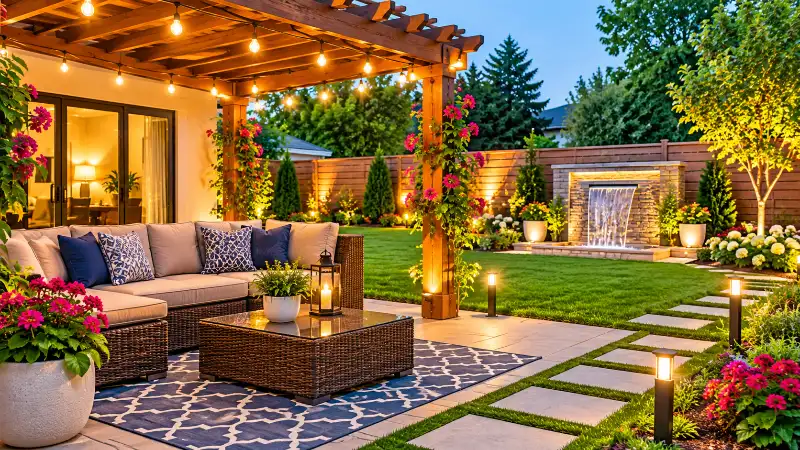
Your backyard is more than an empty outdoor area behind your home. It can become a relaxing retreat, a beautiful garden, a family entertainment space, or a comfortable place to enjoy fresh air. With thoughtful planning and creative improvements, even an ordinary backyard can become an attractive and functional outdoor environment. You do not always need expensive materials or professional designers to achieve impressive results. The right combination of landscaping, furniture, lighting, greenery, and decorative elements can make a remarkable difference.
Backyard Renovation DecoradYard focuses on practical ideas that help homeowners improve their outdoor spaces while balancing beauty, comfort, and functionality. Whether you have a small backyard or a large garden, this complete guide will help you understand the renovation process and make better design decisions.
1. Understanding the Purpose of Backyard Renovation
Before starting any renovation project, think about how you want to use your backyard. Some homeowners prefer a peaceful garden where they can relax, while others want an outdoor dining area or a space for family activities. Understanding your priorities helps you choose the right features and avoid unnecessary expenses.
Consider your household’s daily routine, available space, weather conditions, and maintenance preferences. If you enjoy gardening, dedicate an area to flowers, vegetables, and decorative plants. If outdoor gatherings are important, prioritize comfortable seating, suitable lighting, and an open entertainment area. A clear purpose gives your renovation project direction and makes the final design more practical.
2. Planning Your Backyard Renovation Project
Good planning is the foundation of a successful backyard transformation. Start by examining your existing outdoor space and identifying what needs improvement. Look at damaged pathways, uneven ground, old furniture, drainage problems, and areas that receive too much sunlight.
Create a simple design plan before purchasing materials. Decide where you want the garden, seating area, pathways, and decorative features. Try to maintain enough open space so the backyard does not feel overcrowded.
3. Measuring Your Outdoor Space
Accurate measurements help you understand what your backyard can accommodate. Measure its length and width, then note the locations of doors, walls, existing trees, and other permanent features. You can sketch a basic layout on paper to visualize different arrangements.
Remember to leave comfortable walking areas between furniture and garden beds. Large furniture may look attractive in a showroom but can make a small backyard difficult to use. Choosing appropriately sized features creates a balanced outdoor environment.
4. Setting a Realistic Renovation Budget
Your budget determines which improvements you can complete immediately and which ones can wait. Divide your spending into categories such as landscaping, furniture, lighting, pathways, materials, and maintenance.
You do not have to renovate everything at once. Begin with essential improvements, including drainage, damaged surfaces, and basic landscaping. Add decorative features later when your budget allows.
5. Choosing the Right Backyard Design
The best backyard design reflects your home’s architecture and your personal preferences. Modern outdoor spaces often feature clean lines, simple furniture, neutral colors, and carefully arranged plants. Traditional gardens may include colorful flowers, natural stone pathways, wooden benches, and decorative pots.
You can also combine different styles without making the space look confusing. For example, a modern patio surrounded by natural greenery creates an attractive balance between contemporary design and nature.
When selecting a design, consider the local climate and available sunlight. Materials and plants should suit your environment rather than simply following temporary decorating trends.
6. Creating a Comfortable Outdoor Seating Area
A seating area can turn an unused backyard into a welcoming place for relaxation. Depending on your available space, you might include a small outdoor sofa, a garden bench, or a simple table with comfortable chairs.
Position the seating area where people can enjoy pleasant views and natural shade. If possible, place it near attractive plants or a garden feature. A small outdoor rug and decorative cushions can add personality while making the space feel more inviting.
7. Selecting Weather-Resistant Furniture
Outdoor furniture must handle changing weather conditions. Materials such as treated wood, metal with suitable protective finishes, and weather-resistant synthetic wicker are popular choices.
Before buying furniture, consider durability, comfort, storage requirements, and cleaning needs. Protective covers can help extend furniture life when it is not being used. Choose colors that complement your home’s exterior and surrounding landscape.
8. Improving Your Backyard with Beautiful Landscaping
Landscaping is one of the most effective ways to improve an ordinary outdoor area. A thoughtful combination of grass, shrubs, flower beds, and trees creates natural beauty and makes the space feel organized.
Begin by evaluating your existing plants and soil conditions. Remove unwanted weeds, clear unnecessary debris, and prepare the ground before introducing new greenery. Arrange plants in layers, using taller varieties toward the back and shorter flowers or ground covers near the front.
A balanced landscape should include enough open space for movement and relaxation. Avoid filling every available corner with decorative objects or plants.
9. Choosing Plants, Flowers, and Trees
Plants give your backyard color, texture, shade, and natural character. However, selecting suitable varieties is more important than simply purchasing attractive flowers.
Consider your local climate, soil type, water availability, and sunlight conditions. Native and locally adapted plants are often useful choices because they can grow well under regional conditions and may require less additional watering once established.
You can combine flowering plants with evergreen shrubs and small trees to maintain visual interest throughout the year. If you have limited space, container gardening provides flexibility and allows you to rearrange plants whenever necessary.
10. Installing Attractive Backyard Pathways
Pathways make outdoor spaces easier to navigate while adding structure to the overall design. Depending on your style, you can use stepping stones, gravel, bricks, natural stone, or suitable paving materials.
Plan pathways that connect important areas, such as the house entrance, seating space, and garden. Keep the walking surfaces stable and comfortable, especially in areas that become wet during rainy weather.
Permeable paving and gravel can also help rainwater enter the soil instead of creating unnecessary surface runoff. Select materials that complement your existing outdoor design.
11. Adding Outdoor Lighting
Lighting makes your backyard more attractive and improves visibility after sunset. Instead of installing too many bright fixtures, focus on illuminating important areas.
Solar garden lights, suitable outdoor wall lights, and low-voltage landscape lighting can create a pleasant atmosphere. You can highlight pathways, seating areas, entrances, and attractive garden features.
For safety, outdoor electrical installations should use weather-appropriate equipment and be handled by a qualified professional. Well-planned lighting combines practical visibility with decorative appeal.
12. Designing a Beautiful Patio or Deck
A patio or deck provides a dedicated surface for outdoor activities. It can become the main gathering area for dining, reading, relaxing, or spending time with family.
Choose materials according to your climate, maintenance preferences, and budget. Concrete pavers, natural stone, and properly treated timber are common options. Make sure the surface has suitable drainage and does not become unnecessarily slippery.
A pergola can provide partial shade and give the patio a more finished appearance. You can also introduce climbing plants or outdoor curtains to create a comfortable atmosphere.
13. Creating a Family-Friendly Outdoor Space
A family-friendly backyard should be comfortable, accessible, and suitable for different activities. Leave enough open ground for movement and consider creating separate areas for gardening, seating, and outdoor games.
Choose furniture with stable construction and avoid placing sharp decorative objects in frequently used areas. Keep pathways clear and ensure that garden equipment and maintenance materials are stored safely.
With thoughtful organization, your backyard can become a useful extension of your indoor living space.
14. Adding Water Features and Decorative Elements
Water features can introduce a peaceful atmosphere into a garden. Small fountains, decorative ponds, and compact water installations are popular options for homeowners who want an attractive focal point.
However, consider installation costs, cleaning requirements, water circulation, and maintenance before choosing a feature. Smaller decorative elements may be more practical for limited spaces.
Other decorative options include ceramic pots, garden sculptures, outdoor mirrors, and attractive planters. Use these features selectively so they complement the landscape instead of overwhelming it.
15. Improving Privacy and Shade
Privacy is an important consideration when designing an outdoor relaxation area. Depending on your property layout, you can use garden screens, fencing, hedges, or climbing plants to create separation from surrounding spaces.
Shade is equally important, especially in areas that experience hot summers. Pergolas, shade structures, umbrellas, and suitable trees can make outdoor seating more comfortable.
Choose privacy and shade solutions that suit your property and do not block necessary airflow or natural light.
16. Using Sustainable and Water-Saving Ideas
Sustainable landscaping helps homeowners create beautiful outdoor environments while reducing unnecessary resource consumption. Consider collecting rainwater where practical, using mulch around plants, and selecting locally adapted vegetation.
Drip irrigation and soaker hoses can deliver water closer to plant roots, helping reduce unnecessary watering. Permeable pathways, compost, and suitable soil improvements can also support healthier garden conditions.
According to the University of California’s landscape guidance, appropriate plant selection, porous surfaces, and smart irrigation can help reduce runoff and conserve water.
17. Avoiding Common Backyard Renovation Mistakes
Some renovation mistakes can increase costs and create maintenance problems. One common issue is starting decorative work before addressing drainage. Water that collects around the house or garden can damage surfaces and affect plant health.
Another mistake is purchasing plants without checking their mature size and sunlight requirements. Plants that look small in a nursery may eventually become too large for their location.
Avoid overcrowding furniture, choosing unsuitable materials, or spending your entire budget on decorative features. A successful renovation prioritizes functionality, durability, and long-term maintenance.
18. Maintaining Your Renovated Backyard
Regular maintenance keeps your outdoor environment attractive and functional. Remove fallen leaves, control weeds, clean pathways, and inspect outdoor furniture periodically.
Water plants according to their individual needs rather than following one fixed schedule. Prune shrubs when necessary and replace damaged garden materials before small problems become expensive repairs.
Create a simple seasonal maintenance routine. Consistent attention helps preserve the appearance of your renovation and protects your investment.
19. Budget-Friendly Backyard Improvement Ideas
Improving your backyard does not always require a major financial investment. Small changes can produce noticeable results when they are planned carefully.
Consider repainting suitable outdoor furniture, rearranging existing pots, creating a small flower bed, or improving an old pathway. Reusing suitable materials can also reduce renovation costs.
You can complete larger projects in stages. Start with the most important improvements and gradually introduce additional features as time and resources become available.
The goal of Backyard Renovation DecoradYard is to encourage practical creativity rather than unnecessary spending. A clean, organized, and comfortable backyard can be more attractive than an expensive outdoor space filled with features you rarely use.
20. Conclusion: Build a Backyard You Will Love
A beautiful backyard begins with a clear plan and a realistic understanding of your needs. From comfortable seating and attractive landscaping to suitable lighting and practical pathways, every improvement should contribute to a more functional outdoor environment.
You do not need to complete every renovation task immediately. Start with essential improvements, choose materials that suit your climate, and gradually add decorative features that reflect your personality.
With thoughtful decisions and regular care, Backyard Renovation DecoradYard can become an inspiring approach to creating an outdoor space that offers comfort, beauty, and lasting enjoyment.Click here see more detial…
Frequently Asked Questions (FAQs)
1. How do I start renovating my backyard?
Begin by examining your existing outdoor space, measuring its dimensions, identifying problems, and deciding how you want to use it. Prepare a simple design and budget before purchasing materials.
2. What are the best budget-friendly backyard renovation ideas?
Painting existing furniture, adding affordable plants, creating simple pathways, using decorative pots, and improving outdoor lighting are practical ways to refresh a backyard without a major investment.
3. How can I make a small backyard look bigger?
Use compact furniture, simple color combinations, vertical gardening, and clear pathways. Avoid overcrowding the area with large decorative features.
4. Which plants are best for backyard landscaping?
Choose plants according to your local climate, soil, sunlight, and water availability. Native and locally adapted varieties are often practical choices for long-term garden maintenance.
5. How can I maintain my renovated backyard?
Regularly clean outdoor surfaces, remove weeds, prune plants, inspect furniture, and water vegetation according to its needs. Seasonal maintenance helps keep your backyard attractive throughout the year.