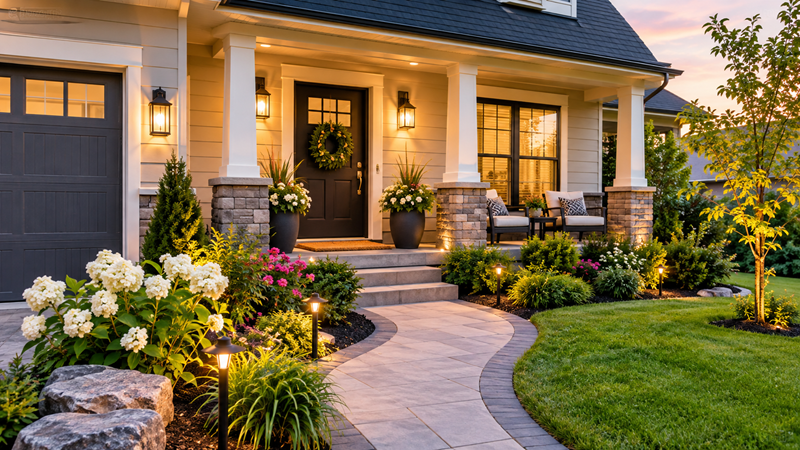
A home’s exterior creates the first impression before anyone steps through the front door. Fortunately, improving an outdoor space does not always require a major renovation or a large budget. With thoughtful planning, practical upgrades, and a few creative changes, we can make an ordinary exterior feel more welcoming, attractive, and functional.
At DecoradYard, we believe outdoor improvements should combine style with everyday practicality. The right combination of lighting, plants, furniture, pathways, colors, and maintenance can completely change the character of a property.
In this guide, we explore home exterior hacks decoradhouse ideas that can help homeowners refresh their outdoor areas while keeping projects manageable and affordable.
1. Refresh the Front Door
The front door is one of the most noticeable parts of a home exterior. A simple refresh can make the entrance look considerably more inviting.
We can start by cleaning the door thoroughly and checking the condition of the hardware. If the surface looks tired, a fresh coat of exterior paint can create a completely different appearance.
A new door handle, house number, welcome mat, or seasonal wreath can add further character without requiring structural changes.
When selecting colors, we should consider the existing exterior rather than choosing a shade in isolation. The door should complement the walls, roof, windows, and surrounding landscape.
2. Upgrade Outdoor Lighting
Good exterior lighting improves both appearance and usability. It can highlight architectural features while making pathways and entrances easier to navigate after sunset.
We can use wall lights near the entrance, pathway lighting along walkways, and subtle accent lighting around trees or garden features.
Solar-powered garden lights can also be useful because they generally do not require complicated electrical installation. Positioning several small lights consistently often looks better than installing a few extremely bright fixtures.
3. Make the House Numbers More Visible
House numbers are practical, but they can also become part of the exterior design.
A modern metal number set, wooden plaque, ceramic design, or illuminated number can give the entrance a more polished appearance.
We should choose a size and style that remains easy to read from the street. Decorative numbers are useful only when visitors and deliveries can actually identify the property easily.
4. Create a Welcoming Walkway
A walkway naturally directs attention toward the entrance. If the existing path looks plain, we can improve it with edging, plants, gravel, stepping stones, or low-level lighting.
The most effective approach is to maintain a clear walking surface while using plants or decorative materials around the edges.
For homes with limited space, a narrow border of plants can provide enough visual interest without making the entrance feel crowded.
5. Use Container Plants
Container gardening is one of the easiest ways to introduce greenery to an exterior.
Large pots can be placed near the entrance, while smaller containers can decorate patios, balconies, porches, and steps.
We can also move containers whenever we want to change the layout. This flexibility makes container plants particularly useful for renters or homeowners who prefer seasonal decorating.
Choose plants according to the available sunlight, temperature, and watering requirements.
6. Improve the Garden Edges
Untidy garden borders can make even a well-maintained yard appear unfinished. Defining the edges between lawns, flower beds, paths, and patios creates a cleaner appearance.
We can use stone, brick, timber edging, or other suitable landscape materials. The important thing is to keep the design consistent with the home’s existing style.
Simple, clearly defined borders are among the most practical home exterior hacks decoradhouse homeowners can use to improve visual organization.
7. Give the Porch a Simple Makeover
A porch does not need expensive furniture to feel attractive.
We can begin by cleaning the floor, walls, railings, and windows. After that, a comfortable outdoor chair, small table, plant containers, or outdoor rug can add warmth.
If space permits, a compact bench can provide seating while also becoming a decorative feature.
The key is to avoid filling every available area. A few carefully selected pieces usually create a more comfortable and organized porch.
8. Add Weather-Appropriate Outdoor Furniture
Outdoor furniture should be selected for the local climate. Materials exposed to rain, sunlight, wind, or temperature changes need appropriate protection and maintenance.
A small seating area can turn an unused corner into a useful outdoor retreat.
We can use cushions and textiles designed for outdoor environments, but they should still be stored appropriately when severe weather is expected.
Neutral furniture can also provide flexibility because seasonal accessories can be changed without replacing the entire setup.
9. Create a Small Outdoor Focal Point
Every exterior does not need a dramatic centerpiece. A simple focal point can be enough to give the yard a sense of structure.
Possible options include:
- A decorative planter
- A small water feature
- A garden bench
- A feature tree
- A sculptural garden element
- A fire-safe outdoor feature where appropriate
- A small vertical garden
The focal point should fit naturally into the surrounding landscape rather than competing with the house.
10. Use Vertical Space
Small yards often have more usable space than we realize because walls, fences, and vertical structures can be used for decoration.
Vertical planters, climbing plants, hanging containers, and wall-mounted garden accessories can add greenery without taking up valuable floor space.
We should ensure that any wall-mounted installation is appropriate for the surface and securely installed.
Vertical gardening is especially useful for compact patios and narrow outdoor areas.
11. Hide Unsightly Outdoor Items
Bins, hoses, tools, air-conditioning equipment, and other practical items can make an otherwise attractive exterior look cluttered.
Instead of simply leaving everything exposed, we can create designated storage solutions.
A small outdoor storage box, screened area, attractive fence panel, or purpose-built enclosure can keep necessary equipment accessible while reducing visual clutter.
This is one of the simplest ways to make a garden look more intentional.
12. Clean the Exterior Thoroughly
Before buying decorative items, we should clean what we already have.
Dirt can accumulate on walls, patios, pathways, fences, windows, gutters, and outdoor furniture. Removing surface grime can make existing features look much newer.
Cleaning methods should always match the material. Delicate surfaces may require gentler methods, while certain hard outdoor surfaces can tolerate more intensive cleaning.
Regular maintenance also helps prevent small problems from becoming expensive repairs.
13. Improve Fence Appearance
Fences have a major visual impact because they often surround a large portion of the property.
If a fence is structurally sound, cleaning and repainting or staining it may be enough to refresh its appearance.
We can also soften the look of fencing with appropriate plants. Climbing greenery can create a natural backdrop, although plants should be selected carefully so they do not damage the structure.
A well-maintained fence can make the entire yard feel cleaner.
14. Create a Simple Patio Zone
An underused patio can become one of the most useful parts of the exterior.
We can define the space with outdoor furniture, planters, lighting, and weather-resistant accessories. Even a small patio can provide room for reading, relaxing, eating, or spending time with family.
The arrangement should leave enough clear space for comfortable movement.
Instead of buying numerous decorations, we can focus on creating a clear purpose for the area first.
15. Add Natural Materials
Natural materials can give outdoor spaces a warmer and more timeless appearance.
Wood, stone, brick, bamboo, and natural-textured materials can work well when used thoughtfully.
For example, a wooden bench beside greenery can create a relaxed garden atmosphere, while stone edging can provide structure around planting areas.
We should avoid mixing too many unrelated textures because excessive variety can make a small exterior appear visually busy.
16. Use Color Strategically
Exterior color does not need to mean repainting the entire house.
We can introduce color through planters, flowers, outdoor cushions, doors, furniture, fences, or small decorative elements.
A limited palette generally creates a more coordinated appearance. For example, we might choose one main exterior color, one complementary accent, and natural green from the landscape.
Seasonal flowers can then provide temporary changes without requiring permanent alterations.
17. Upgrade the Mailbox Area
The mailbox is often overlooked, yet it can contribute to the overall first impression.
A clean, well-maintained mailbox combined with attractive plants or a neat border can make the entrance area feel more complete.
If replacing the mailbox, we should select a design that suits the property rather than choosing an item that looks disconnected from the rest of the exterior.
18. Make Outdoor Maintenance Easier
Good exterior design should not only look attractive; it should also be easy to maintain.
We can choose plants suited to local growing conditions, use durable materials, create accessible storage, and avoid unnecessarily complicated landscaping.
Grouping plants according to their watering and sunlight requirements can also make routine care more efficient.
A beautiful outdoor space that requires excessive maintenance may quickly become difficult to manage.
19. Add Seasonal Exterior Decorations
Seasonal decorating provides an easy way to refresh an exterior throughout the year.
Spring can bring colorful planters and fresh greenery. Summer can emphasize outdoor seating and entertaining areas. Autumn can introduce natural textures and seasonal plants, while winter decorations can focus on tasteful lighting and greenery where appropriate.
The goal should be moderation. A few coordinated seasonal elements can look more polished than covering every surface with decorations.
20. Focus on Small Improvements First
One of the most useful principles behind home exterior hacks decoradhouse is that exterior improvement does not have to happen all at once.
We can create a simple improvement plan:
- Clean the exterior.
- Repair damaged areas.
- Improve the entrance.
- Add appropriate lighting.
- Organize the garden.
- Introduce plants.
- Create a seating area.
- Add decorative finishing touches.
This approach allows us to evaluate each improvement before spending money on the next one.
Budget-Friendly Home Exterior Hacks
A limited budget does not mean we have to accept an unattractive outdoor space. In many cases, the biggest improvements come from organization and maintenance rather than expensive products.
We can reuse suitable containers, refresh existing furniture, propagate appropriate plants, repaint tired surfaces, and reorganize outdoor areas.
Before purchasing anything, it is useful to walk around the property and identify what actually needs improvement. Sometimes a dirty pathway or overgrown garden is creating a bigger visual problem than the lack of decorations.
This practical approach helps us spend money where it creates the greatest difference.
Common Exterior Decorating Mistakes to Avoid
Even good ideas can produce disappointing results when they are poorly planned.
We should avoid overcrowding small spaces, choosing plants without considering their growing requirements, using indoor furniture outdoors, ignoring drainage, or selecting decorative elements that clash with the home’s architecture.
Lighting is another area where moderation matters. Too much brightness can make an exterior uncomfortable and reduce the subtle atmosphere created by carefully positioned lights.
Most importantly, safety and durability should come before appearance. Outdoor improvements need to withstand normal weather conditions and everyday use.
Final Thoughts
A beautiful exterior is created through a combination of cleanliness, organization, greenery, lighting, comfort, and thoughtful design. We do not need to completely transform a property to make it feel more welcoming.
From refreshing the front door and improving pathways to adding container plants and creating a practical patio, small changes can produce meaningful results.
The best home exterior hacks decoradhouse ideas are those that balance appearance with functionality. By working gradually, choosing suitable materials, and maintaining the improvements we make, we can create an outdoor space that looks attractive and remains enjoyable for years to come.
At DecoradYard, practical outdoor inspiration can help us turn ordinary exterior areas into comfortable, organized, and inviting spaces without making every project unnecessarily complicated. Click here see more details.